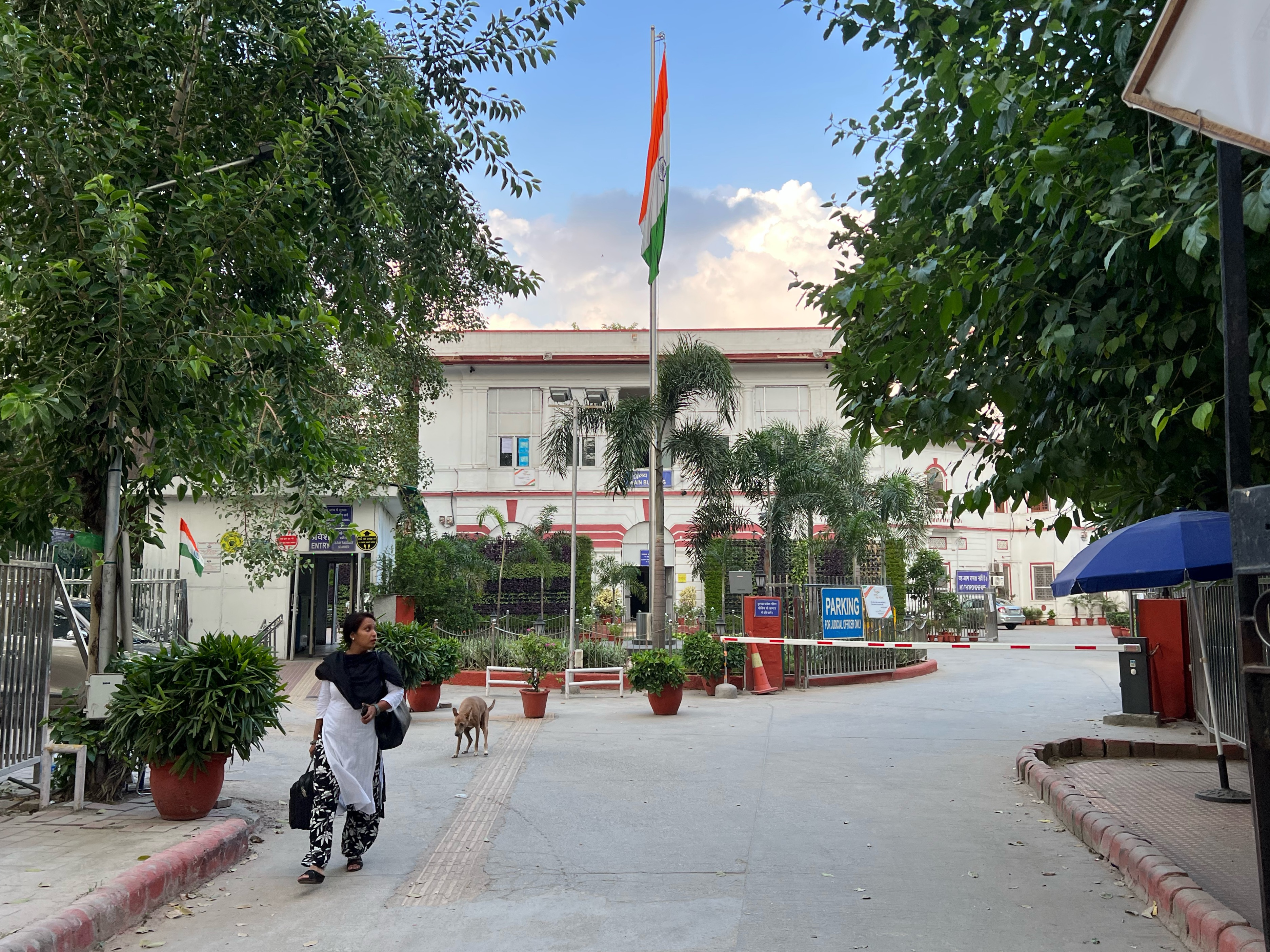
Background and Core Issues
As is often the case with major legal proceedings in large urban centers, the bail hearing concerning Saurabh Das and Ashutosh Ranka at the Patiala House Court has cast a spotlight on both citizens and legal practitioners. This case is not merely about a single incident; rather, it represents a confluence of various facets that reflect the pace of the justice system in Punjab. Whenever a matter concerning bail arises in a high-profile case, the primary question revolves around the layers of law surrounding the accused.
The central focus of this report is the appearance of Saurabh Das and Ashutosh Ranka before the Patiala House Court for bail proceedings. Such cases often extend beyond just two individuals; they touch upon the security and judicial infrastructure of an entire region. Historically, the Patiala Court has handled major cases, keeping its daily functioning under constant public scrutiny. Bail matters inherently generate tension because they are directly linked to personal liberty and fundamental legal rights.
Ground Reality and Key Details
According to sources, the action took place at the District JMC (or an associated court). It is crucial to understand the facts here in depth. Saurabh Das and Ashutosh Ranka were both under the purview of the Patiala House Court proceedings. In legal terminology, 'Bail' is a status where the court decides whether the accused should be detained until the investigation concludes or if they should be granted freedom. This decision hinges on the gravity of the case, the weight of evidence, and established legal statutes.
When viewed through the lens of Punjabi journalism, our attention remains fixed not just on these two individuals, but on the functioning of the entire legal system that makes such decisions. Confirmation from sources indicates that the demand for bail and the subsequent discussion were part of a formal legal procedure, adhering to all established rules. Media reports have highlighted that the court has taken cognizance of the matter, suggesting a flow of serious oversight.
Impact on Punjab's Districts and General Public
Cases like this, even if connected to a specific village or city, generate widespread discussion regarding the overall legal safety of Punjab. The general public is affected because they feel that if court procedures are not transparent, their own legal rights could be jeopardized. People in sectors like agriculture and trade across Punjab always demand stringent verification from the justice system.
The direct impact of this case may not affect any single village's economy, but it influences the public's psychological comfort. When ambiguity or prolonged delays are visible within the justice mechanism, public trust erodes. Residents of every district in Punjab generally desire that legal disputes be resolved with adherence to rules and clarity, so that every individual can feel secure in their life and property. Therefore, a clear and immediate resolution from the governmental level on such cases becomes extremely necessary.
Official Statements and Administrative Action
In any major legal matter, coordinating official statements is paramount. When cases proceed in premier courts like the Patiala House Court, there is a demand that the concerned departments (such as the Police or Law Department) adhere fully to regulations. The government administration must ensure that every action taken is based purely on law and not on coercion or political motives.
In this specific instance, if no official statement has been issued, journalists and the public should remember that court proceedings are generally governed by strict rules. At the administrative level, this case can serve as a model for how similar matters should be handled in the future. If the bail discussion concludes successfully, it reflects the impartiality of the law; otherwise, it could escalate controversy further. Thus, relying only on accurate and verified statements from any source is the safest course of action.
Expert Opinion and Future Analysis
Legal experts suggest that bail decisions should not be based solely on case facts but must consider the entire context. For these authorities, it is an opportunity to connect the spirit of the law with ground reality. If any expert analyzes this case, they will generally focus on two points: First, is one side's evidence overwhelmingly strong? And second, is detaining the accused necessary for social justice, or is it merely administrative convenience?
From a future analysis perspective, any outcome of this case (whether bail or detention) can set a benchmark for legal procedures in Patiala. If the court remains strict on protocol, it builds confidence; but if any rule deviation appears, it can raise questions about the entire judicial system. Punjab needs a model where investigative law and the justice system merge seamlessly. This case serves as a reminder of how crucial the role of journalism is in bringing out the truth, so that no major issue gets stuck on incomplete facts.